Skip to content
Nashik, Maharashtra, 422013

Business hours

Dr Ashutosh Ushir - Joint replacement, Arthroscopy and Trauma surgeon

Monday
5pm-8:30pm
Tuesday
5pm-8:30pm
Wednesday
5pm-8:30pm
Thursday
5pm-8:30pm
Friday
5pm-8:30pm
Saturday
5pm-8:30pm
Sunday
Not provided

You can contact us anytime during the day with your query.

8308862918

Latest Posts & Updates

Fresh stories, announcements and offers about Orthopaedic Surgeon, Doctor, Surgeon, straight from our business.

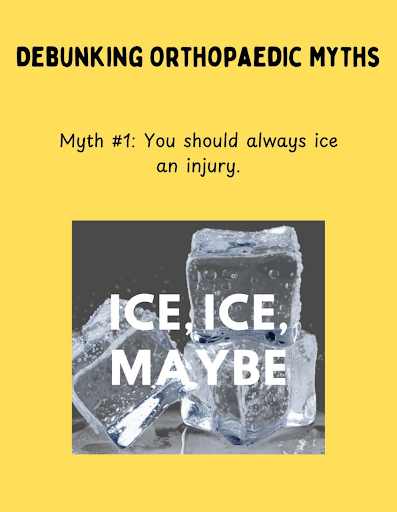
Don't let orthopaedic myths hold you back from seeking proper care or maintaining a healthy lifes…

Don't let orthopaedic myths hold you back from seeking proper care or maintaining a healthy lifestyle. By separating fact from fiction, you can make informed decisions about your orthopaedic health. If you have concerns or questions, consult with a qualified orthopaedic professional. At The Bone and Joint Clinic, we're dedicated to providing accurate information and expert care to help you achieve optimal orthopaedic health. Contact us to schedule an appointment or learn more about our services. Dr. Ashutosh Ushir The Bone and Joint Clinic 1st Floor, Shree Ganesh Classic, Above Canara Bank, Navshya Ganapati Parisar,  Anandwali

Don't let orthopaedic myths hold you back from seeking proper care or maintaining a healthy lifes… post imageRead full post

The Anterior Cruciate Ligament (ACL) is a vital ligament that connects the thigh bone (femur) to…

The Anterior Cruciate Ligament (ACL) is a vital ligament that connects the thigh bone (femur) to the shin bone (tibia) in the knee joint. An ACL injury occurs when the ligament is stretched or torn, often due to sudden stops, changes in direction, or direct blows to the knee. Causes of ACL Injuries ACL injuries are common in sports that involve sudden movements, such as: - Football - Basketball - Soccer - Tennis - Skiing Other causes of ACL injuries include: - Landing awkwardly from a jump - Sudden changes in direction - Direct blows to the knee - Overuse or repetitive strain Symptoms of ACL Injuries The symptoms of an ACL injury may include: - Sudden, severe pain in the knee - A loud "pop" or snap at the time of injury - Swelling or bruising in the knee - Instability or feeling of the knee giving way - Difficulty walking or bearing weight on the knee Diagnosis of ACL Injuries An ACL injury is typically diagnosed through a combination of: - Physical examination - Imaging tests (X-rays, MRI, or CT scans) Treatment Options for ACL Injuries Treatment for an ACL injury depends on the severity of the injury and the individual's lifestyle and goals. Options may include: - Conservative management (physical therapy, bracing, and pain management) - Surgery (ACL reconstruction) - Rehabilitation and physical therapy ACL Reconstruction Surgery ACL reconstruction surg...

Read full post

What is the Meniscus?

The meniscus is a C-shaped cartilage structure in the knee joint that cushions and stabilizes the joint, allowing for smooth movement. What are Meniscus Injuries? Meniscus injuries occur when the cartilage is damaged, either partially or completely, due to trauma, degeneration, or sudden twisting movements. Types of Meniscus Injuries 1. Meniscus Tear: A tear in the cartilage, which can be partial or complete. 2. Meniscus Degeneration: Wear and tear on the cartilage over time, leading to thinning and fragmentation. 3. Meniscus Displacement: The cartilage becomes displaced or moves out of its normal position. Causes of Meniscus Injuries 1. Trauma: Sudden twisting movements, falls, or direct blows to the knee. 2. Degeneration: Wear and tear on the cartilage over time, often due to aging or repetitive strain. 3. Sports: Participating in sports that involve twisting, pivoting, or sudden changes of direction. Symptoms of Meniscus Injuries 1. Pain: Pain in the knee, especially when twisting, bending, or squatting. 2. Swelling: Swelling or inflammation in the knee. 3. Locking or Catching: A sensation of the knee locking or catching, making it difficult to move. 4. Instability: Feeling of instability or giving way in the knee. Diagnosis of Meniscus Injuries 1. Physical Examination: A thorough examination of the knee to assess pain, swelling, and range of motion. 2. Imaging Tests: X-rays, MRI, or CT scans to confirm the diagnos...

What is the Meniscus? post imageRead full post

Are you seeking relief from bone and joint pain? Look no further than Dr. Ashutosh Ushir, a renow…

Are you seeking relief from bone and joint pain? Look no further than Dr. Ashutosh Ushir, a renowned orthopaedic surgeon with 11 years of experience and over 3000 successful surgeries. Unparalleled Expertise Dr. Ushir's extensive experience and impressive surgical track record ensure that you receive the highest quality care for your orthopaedic needs. His expertise spans a wide range of conditions, from complex fractures and joint disorders to degenerative diseases and sports injuries. Personalized Care, Exceptional Results At The Bone and Joint Clinic, we prioritize personalized care and attention to detail. Dr. Ushir takes the time to understand your unique needs and develops customized treatment plans to ensure optimal outcomes. Why Choose Dr. Ashutosh Ushir? - 11 years of experience in orthopaedic surgery - Over 3000 successful surgeries performed - Expertise in complex fracture management, joint replacement, and sports medicine - Personalized care and attention to detail - State-of-the-art facilities and equipment Schedule Your Appointment Today!

Are you seeking relief from bone and joint pain? Look no further than Dr. Ashutosh Ushir, a renow… post imageRead full post

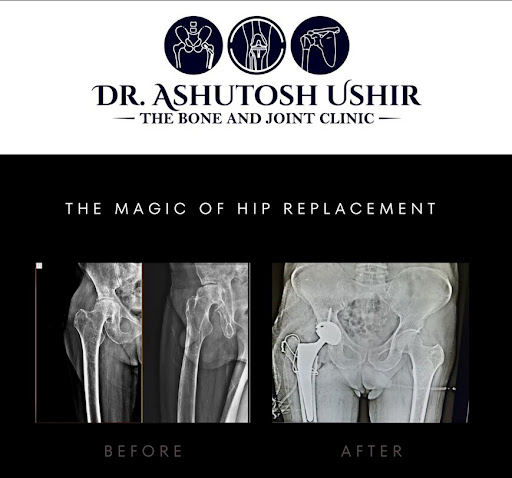
Ever wondered what happens during a hip replacement surgery?

A skilled surgeon: Removes the damaged or arthritic hip joint Replaces it with an artificial joint made of metal, plastic, or ceramic Secures the new joint in place with bone cement or a special coating The goal? To relieve pain, restore mobility, and get you back to living your best life! Looking for expert orthopedic care? Visit us at: Dr. Ashutosh Ushir The Bone and Joint Clinic 1st Floor, Shree Ganesh Classic, Above Canara Bank, Navshya Ganapati Parisar, Anandwali Book your appointment today and take the first step towards a pain-free life!

Ever wondered what happens during a hip replacement surgery? post imageRead full post

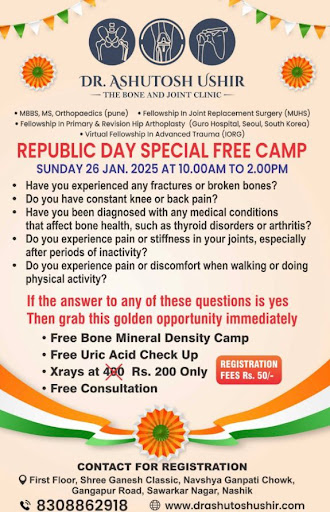
A free Orthopaedic Camp was organized on January 26, 2025, offering complimentary Bone Mineral De…

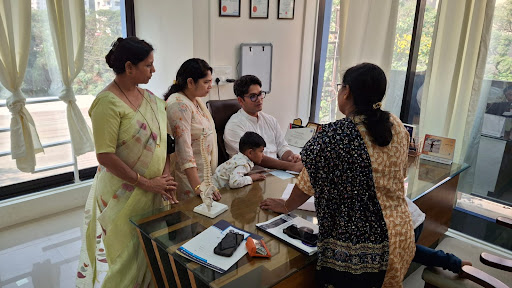
A free Orthopaedic Camp was organized on January 26, 2025, offering complimentary Bone Mineral Density (BMD) and Uric Acid tests to patients. The event witnessed an overwhelming response, with over 50 patients attending the camp. The camp aimed to raise awareness about the importance of bone health and the risks associated with osteoporosis and gout. The free tests enabled patients to assess their bone density and uric acid levels, facilitating early detection and timely intervention. Our team provided personalized consultations and guidance to patients, helping them understand their test results and develop strategies for maintaining healthy bones and joints. The camp was a resounding success, and we express our gratitude to all patients who attended. We remain committed to organizing such initiatives, promoting community health, and delivering exceptional patient care.

A free Orthopaedic Camp was organized on January 26, 2025, offering complimentary Bone Mineral De… post imageRead full post

As women approach menopause, their bodies undergo a significant transition. Hormonal fluctuations…

As women approach menopause, their bodies undergo a significant transition. Hormonal fluctuations, particularly the decline of estrogen, can lead to a range of health issues. One of the most concerning is perimenopausal osteoporosis. What is Perimenopausal Osteoporosis? Perimenopausal osteoporosis refers to the loss of bone density and strength during the perimenopausal period, which can start several years before menopause. This condition increases the risk of fractures, particularly in the hips, spine, and wrists. Causes and Risk Factors The decline of estrogen during perimenopause is the primary cause of osteoporosis. Estrogen helps maintain bone density by regulating osteoclasts, cells that break down bone tissue. Without sufficient estrogen, osteoclasts become overactive, leading to bone loss. Other risk factors for perimenopausal osteoporosis include: - Family history of osteoporosis - Low body mass index (BMI) - Sedentary lifestyle - Smoking and excessive alcohol consumption - Certain medical conditions, such as thyroid disorders or rheumatoid arthritis Symptoms and Diagnosis Perimenopausal osteoporosis often develops silently, without noticeable symptoms. However, some women may experience: - Back pain or loss of height - Fractures or brittle nails - Weakness or fatigue A bone mineral density (BMD) test, typically performed using dual-energy X-ray absorptiometry (DXA), can diagnose osteoporo...

As women approach menopause, their bodies undergo a significant transition. Hormonal fluctuations… post imageRead full post